
Scuba Diving Safety: What Happens on Land Affects What Happens Underwater
- Dec 26, 2025
- 3 min read
A Scuba Diving Safety Reflection from Recent News
Recent local news involving the death of M. Ravi has sparked difficult but necessary conversations around substance use, personal responsibility, and looking out for one another.
While this incident did not involve scuba diving, the underlying lessons are deeply relevant to our dive community — because in diving, what you do before the dive often matters more than what you do during it.
At Cuddlefish Divers, we believe diving is not just a sport. It’s a discipline built on awareness, preparation, and accountability — to yourself, and to your dive buddy. It's about scuba diving safety

1. Diving Demands a Clear Mind — Always
Scuba diving places your body and mind in an unforgiving environment. Underwater, there is no room for impaired judgment.
Substances such as drugs or alcohol can affect:
Decision-making and reaction time
Breathing patterns and heart rate
Anxiety and panic thresholds
Awareness of depth, time, and air
In diving, even small lapses can lead to scuba diving safety issues like:
Rapid ascents
Missed air checks
Poor buoyancy control
Delayed responses in emergencies
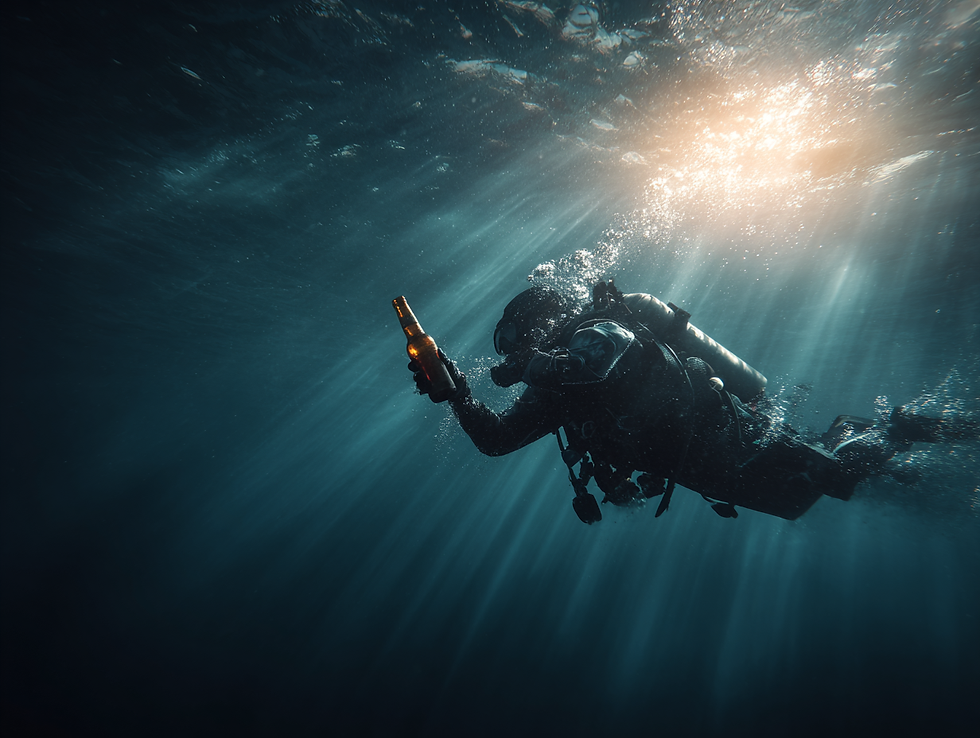
The ocean does not give second chances for poor decisions made on land.
2. The Buddy System Is About More Than Equipment
We often teach buddy checks as BWRAF or GUE EDGE, focusing on gear. But the most important check is often unspoken:
“Is my buddy physically and mentally fit to dive today?”
Recent events remind us that responsibility doesn’t stop at ourselves.
A good dive buddy:
Notices changes in behaviour or alertness
Speaks up if something feels off
Is willing to call the dive — even if it’s inconvenient
Calling a dive is not a failure.Failing to call a dive when you should is.

3. Fitness to Dive Is Not Just Medical — It’s Lifestyle
Divers often think “fit to dive” means:
No flu
No injuries
Medical clearance
But true fitness to dive also includes:
Adequate rest
Emotional stability
No substance use that affects cognition or physiology
Stress, lack of sleep, alcohol, or drugs can all increase the risk of scuba diving safety incidents like:
Panic underwater
Poor gas management
Task overload
Many dive incidents don’t begin underwater — they begin hours or days before the dive.
4. The Diving Community as a Safe Space
One reason many of us dive is because the ocean is a place of calm, clarity, and perspective. The dive community can — and should — be a positive influence on life choices.
That means:
Normalising conversations about mental health
Encouraging healthy coping mechanisms
Looking out for one another beyond dive trips
Diving should add life to your years — not risk them.
5. A Quiet Reminder, Not a Judgment
This article is not about blame or sensationalism. It’s about reflection.
Every diver, from beginner to instructor, carries responsibility towards scuba diving safety:
For their own readiness
For their buddy’s safety
For the culture we create in our community
The sea is beautiful, but it is neutral. It rewards preparation — and punishes complacency.
Final Thought
Scuba diving safety doesn’t start at the dive site. It starts with the choices we make on land.
If you ever feel unwell, overwhelmed, or unfit to dive — speak up.If your buddy doesn’t seem right — say something.
At Cuddlefish Divers, we would rather reschedule a dive than attend a preventable incident.
Stay sharp.Stay responsible.Dive safe. 🤿💙


I tried this game without knowing much about it and didn’t expect anything special. In the beginning it felt confusing and I didn’t enjoy it. After a few rounds, it became easier to understand. Now I open it sometimes when I feel bored. It runs fine on my phone with no lag. I don’t play daily. It’s not very unique, but still okay for passing time and casual playing when you want something simple.
TC Lottery login